- info@softsols.pk
- Mon - Sat: 8.00 am - 7.00 pm
We are creative, ambitious and ready for challenges! Hire Us

Softsols designs, migrates and manages infrastructure on AWS, Azure and Google Cloud for businesses in the US, UK, Australia, Singapore and Pakistan, built for reliability, security and a predictable monthly bill.
Infrastructure treated as an engineering discipline: automated, observable, secure and right-sized.
Move on-premise or legacy cloud workloads to AWS, Azure or Google Cloud with minimal downtime.
Right-sized, scalable architecture designed for your actual growth path, not generic best practice.
Automated build, test and deploy pipelines so releases are fast, repeatable and low-risk.
Containerised workloads for consistent environments and efficient, elastic scaling.
Audit and right-size your spend: idle resources, oversized compute and forgotten environments.
Terraform and CloudFormation so every environment is version-controlled and reproducible.
Least-privilege IAM, encryption, network segmentation and HIPAA / GDPR-aligned setups.
Alerting, logging, backups and on-call response before issues reach your users.
Tested backups, multi-AZ deployment and documented recovery objectives.
Over-provisioned resources quietly inflating the bill, security groups left too open, deployments that need manual steps and break at 2am, an architecture that falls over the first time real traffic arrives. Cloud infrastructure is not a one-time setup, it is an ongoing discipline.
Proper DevOps practice (automated pipelines, infrastructure as code, real monitoring and alerting) turns infrastructure from a liability into an advantage: faster releases, fewer incidents and a bill that reflects what you actually use.
Short sprints, demos you can click, and a single accountable project manager from kickoff to launch.
Cloud-hosted research portals, publishing pipelines and SaaS products.

Secure Next.js digital health hub for RESPIRE, a global respiratory health research unit at the University of Edinburgh.
View case study →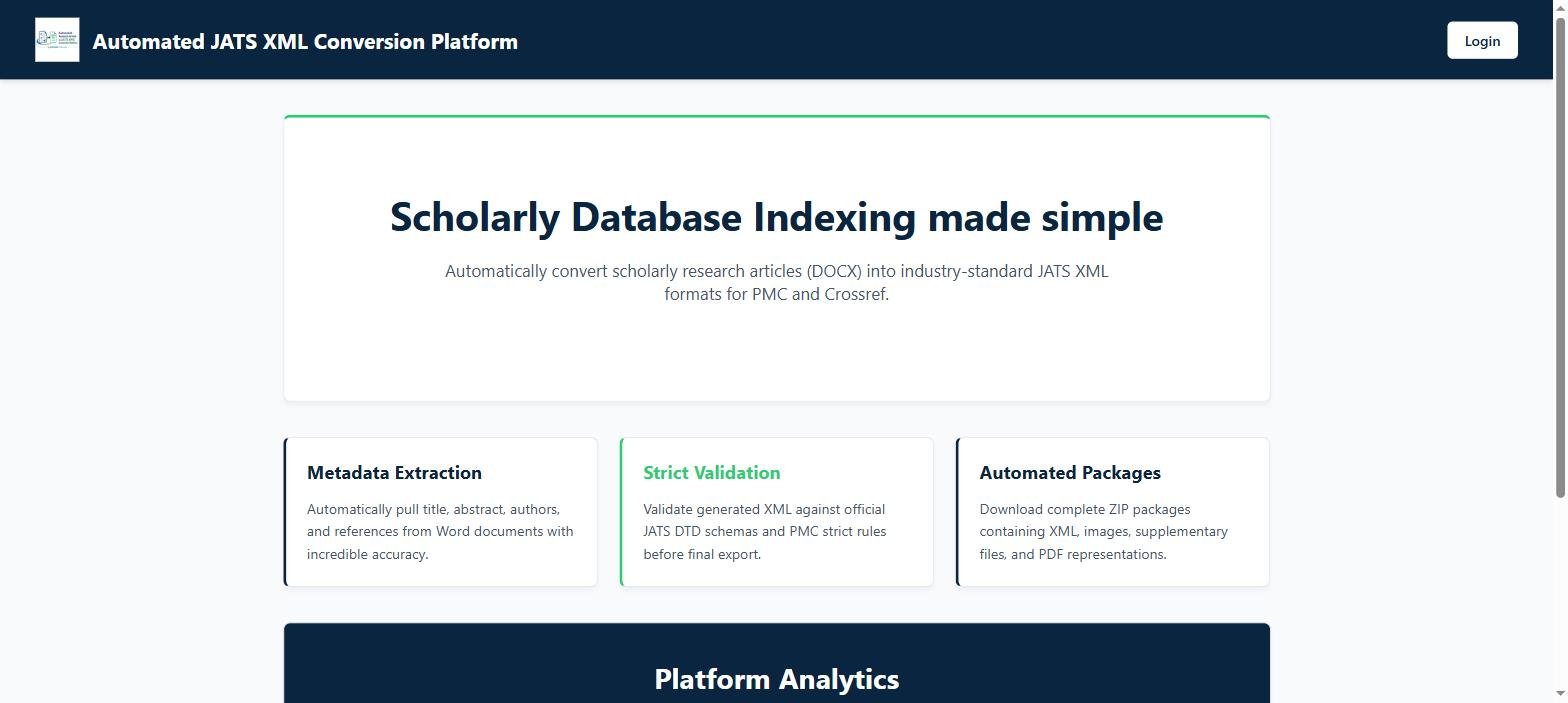
Automates conversion of scholarly manuscripts into JATS XML for journal publishing workflows.
View case study →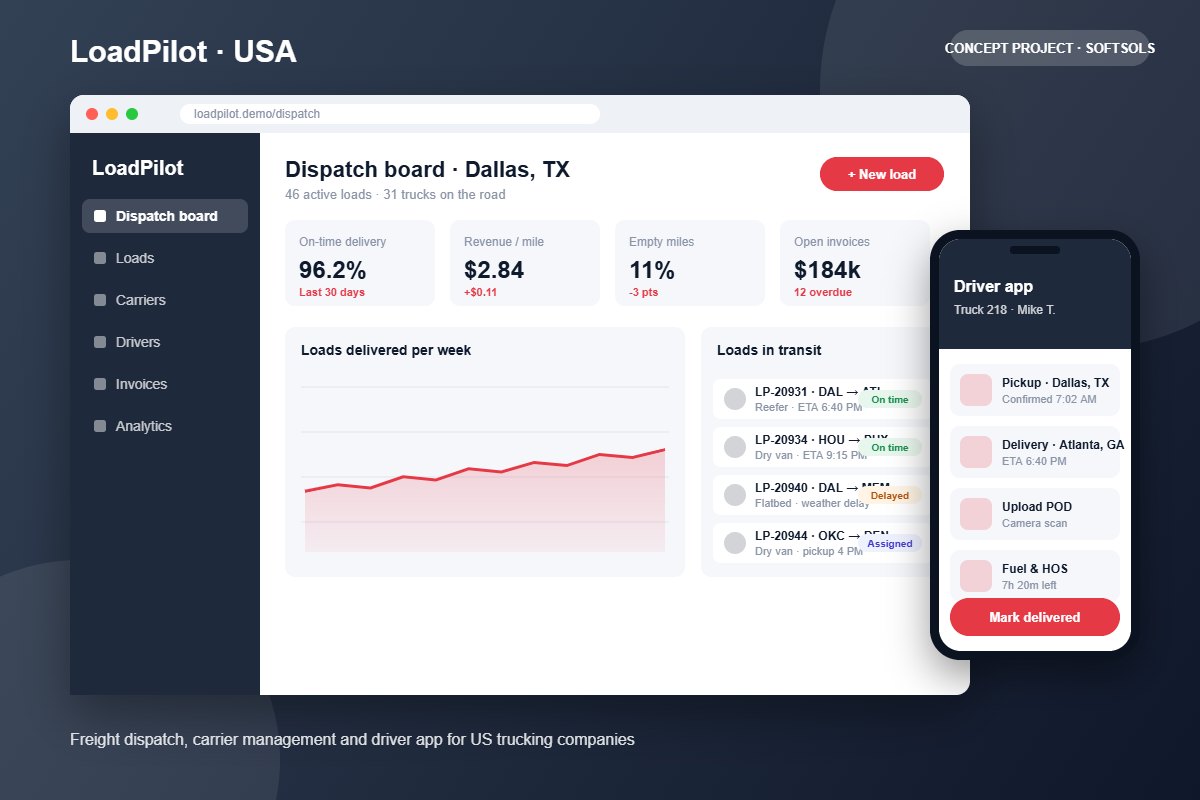
Dispatch, load tracking and carrier management SaaS for small US trucking fleets and brokers.
View case study →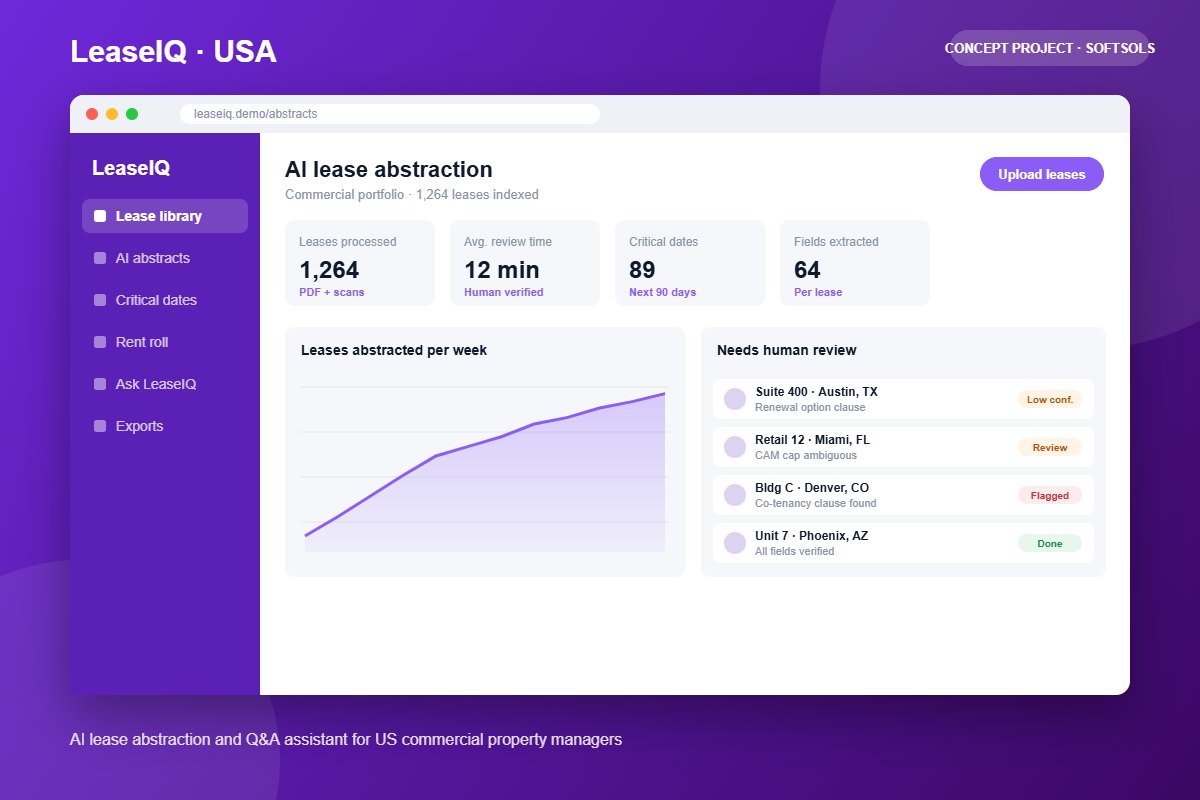
AI assistant that extracts key dates, rent terms and clauses from commercial leases for US property managers.
View case study →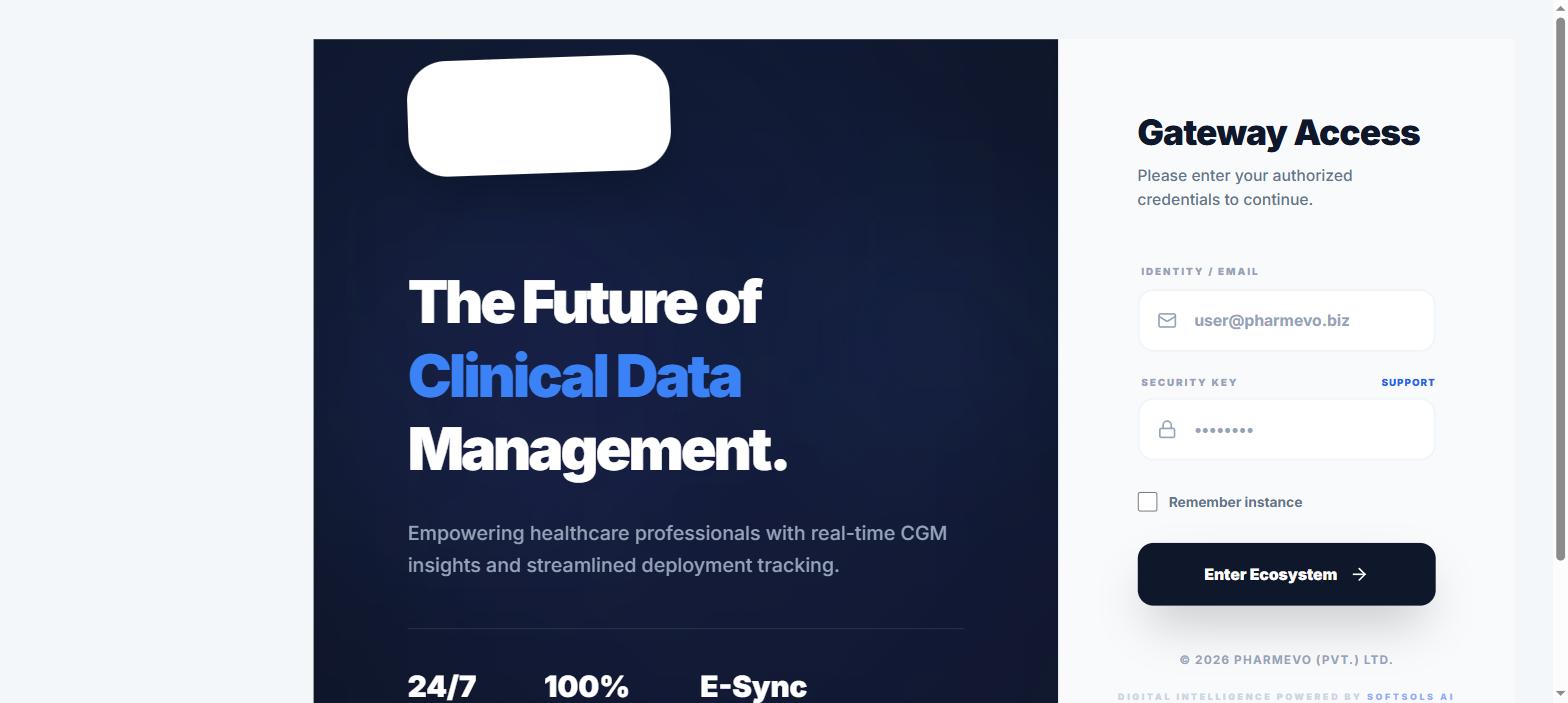
Clinical data and CGM device management system built for PharmEvo diabetes programmes.
View case study →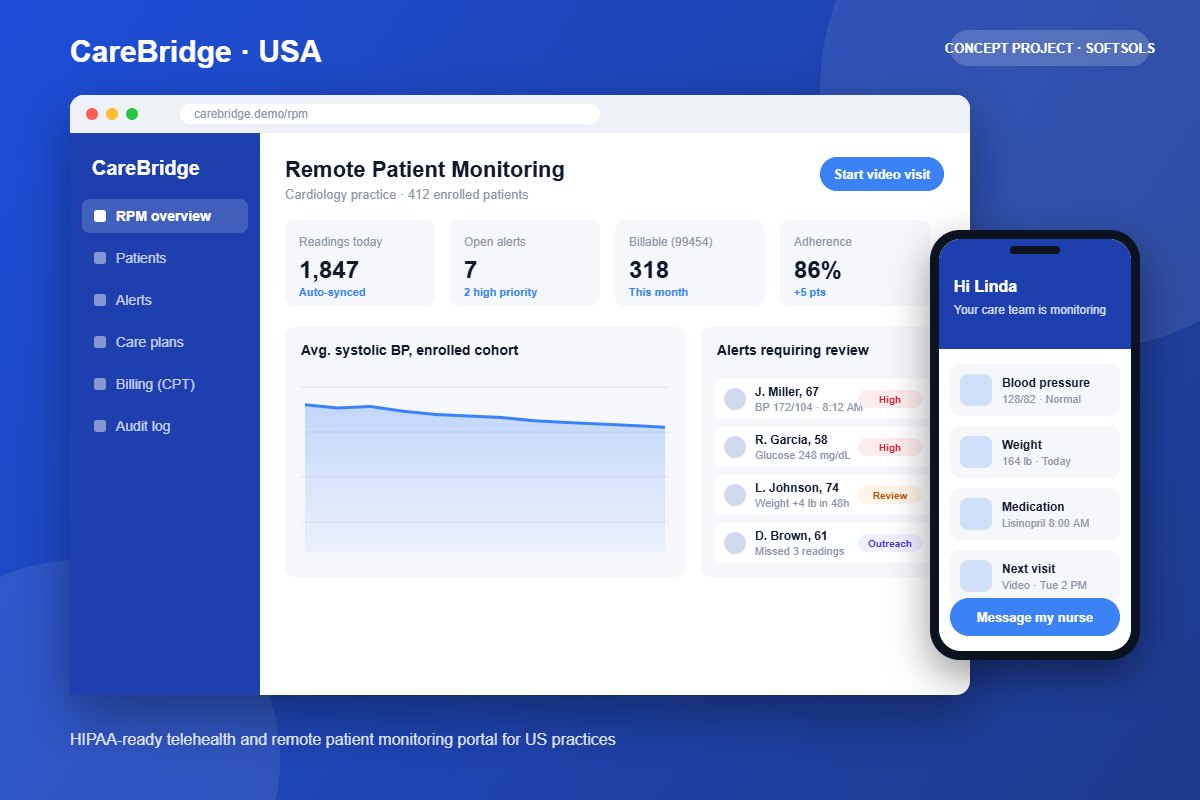
HIPAA-ready telehealth and remote patient monitoring portal with device data and clinician dashboards.
View case study →Concept projects are reference builds and solution designs that show our approach; they are clearly labelled and are not client engagements.
A scoped project to move workloads to the cloud or between providers.
Ongoing management, monitoring and optimisation of your environment.
A DevOps engineer or team embedded in your development process.
Migrations go wrong in predictable ways: dependencies not mapped before cutover, rushed data moves with integrity issues found after the old system is gone, or a new environment never load-tested at production scale. Full dependency mapping, staged validation and realistic load tests are built into our process.
Most environments we audit are paying for unused reserved instances, oversized compute and forgotten test environments running production-tier resources. A cost audit is often the fastest ROI in any cloud engagement.
For clients who need redundancy, want to avoid lock-in or run specific workloads more cheaply elsewhere, we design hybrid and multi-cloud architectures with clear ownership boundaries and consistent tooling.
Backups are tested for real restorability, critical systems run across availability zones, and recovery procedures have defined objectives, which matters most where downtime means lost revenue or patient-care risk.
A straightforward migration typically takes 4 to 10 weeks depending on system complexity and data volume.
We plan migrations to minimise or eliminate downtime, using techniques like blue-green deployment for critical systems.
Usually, yes. A cost optimisation audit frequently identifies 20 to 40 percent in achievable savings.
It depends on your stack, compliance needs, team skills and pricing. We are platform-neutral and recommend based on your workload.
Yes, as part of managed cloud services, with alerting and response before issues affect your users.
Yes. We often augment internal teams for a migration, architecture review or ongoing infrastructure they lack bandwidth for.
Get a free assessment of your current setup. We will show you exactly where the risk and the savings are.