- info@softsols.pk
- Mon - Sat: 8.00 am - 7.00 pm
We are creative, ambitious and ready for challenges! Hire Us

Softsols designs intuitive, research-driven experiences for web and mobile products, reducing friction, lifting conversions and making complex software feel simple, for teams in the US, UK, Australia, Singapore and Pakistan.
Design grounded in real user research, built to move the metrics that matter: sign-ups, purchases, task completion and retention.
Interviews, surveys and behavioural analysis to understand what your users actually need.
Low and high-fidelity prototypes to validate flows before any code is written.
Reusable component libraries, tokens and patterns that keep your product consistent as it grows.
Native-feeling iOS and Android interfaces built on conventions users already know.
Learn more →Real-user testing that finds friction points before launch, not after.
Expert review of existing products to find usability gaps and conversion blockers.
The best-engineered product still fails if users cannot work out how to use it. Confusing navigation, cluttered screens and inconsistent interactions drive users away, inflate support costs and quietly kill conversion, however solid the backend is.
Skipping UX usually costs more later: higher acquisition costs to compensate for poor conversion, more support tickets, and expensive re-engineering once a tangled interface becomes too hard to extend.
Short sprints, demos you can click, and a single accountable project manager from kickoff to launch.
Research portals, university websites, fintech, F and B and healthcare booking experiences.

Secure Next.js digital health hub for RESPIRE, a global respiratory health research unit at the University of Edinburgh.
View case study →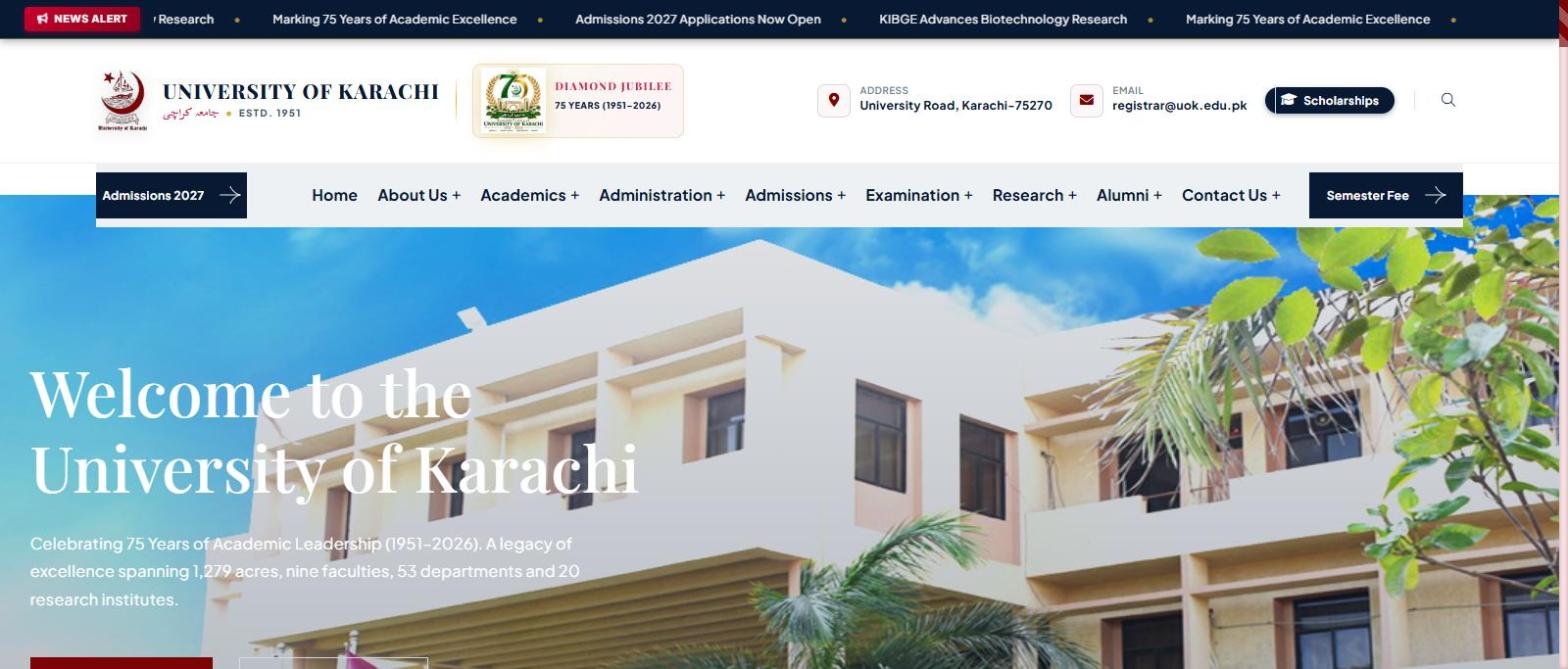
Fast, accessible official website for the University of Karachi, built for thousands of students and faculty.
View case study →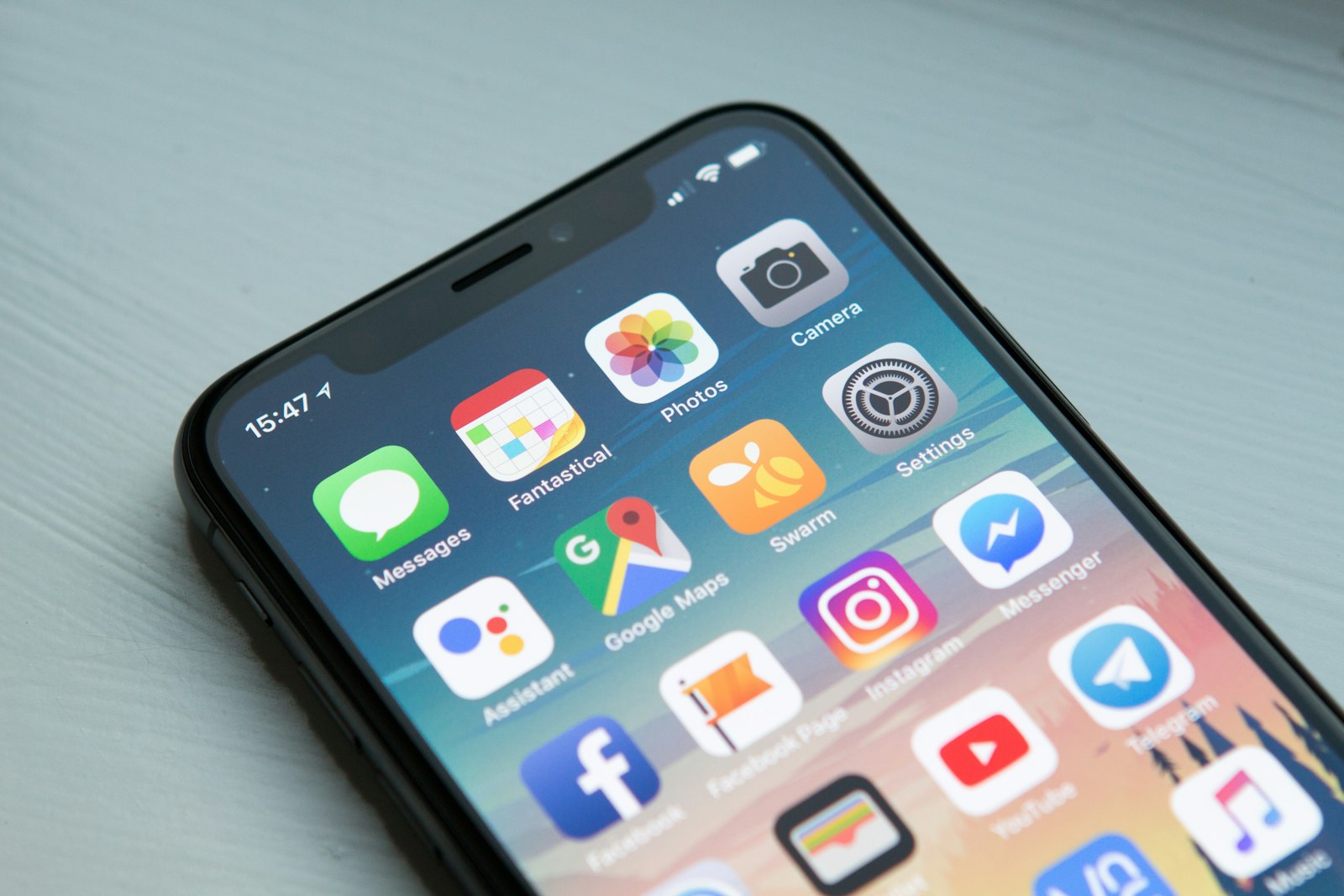
Secure, user-friendly mobile banking interface designed for a financial services provider.
View case study →
QR table ordering, loyalty and kitchen display platform for Singapore hawker and F and B outlets.
View case study →
Clinic booking and live queue app for Singapore GP and specialist clinics, with SMS and WhatsApp updates.
View case study →
Full brand and website redesign for a professional services firm.
View case study →Concept projects are reference builds and solution designs that show our approach; they are clearly labelled and are not client engagements.
A new product, feature or redesign delivered end to end on a fixed timeline.
A UI/UX designer embedded with your team, working from your backlog.
Design and development by one accountable team, from concept to shipped feature.
One-off screens age quickly and create inconsistency. We build reusable design systems (component libraries, typography scales, colour tokens and interaction patterns) so new features ship consistently and engineers build from documented components instead of interpreting mockups.
A common failure in UX work is polished mockups that are impractical or expensive to build. Because our designers work alongside web and mobile engineers, feasibility is considered from day one.
Many products have a conversion or retention problem that stakeholders assume is marketing or pricing, when the real cause is usability friction: a checkout with too many steps, or a dashboard that buries the one action users came for. Research finds it; design fixes it.
Healthcare platforms that must make clinical data understandable at a glance, publishing platforms where reading experience drives retention, e-commerce where every click costs conversions, and enterprise SaaS that new employees must learn in an afternoon.
Both. Our designers work alongside our developers, and we also take design-only engagements for clients with their own engineering team.
A focused feature redesign takes 2 to 4 weeks; a full product design system typically takes 6 to 10 weeks.
Yes. Usability testing with real users is built into our standard process, not an add-on.
Yes. We run UX audits and incremental redesigns that improve usability without a ground-up rebuild.
Yes. WCAG guidelines are factored in by default, which matters especially for healthcare and public-sector clients.
Yes. We design within your existing brand, or help establish one if you do not have it yet.
Tell us about your product and we will show you where thoughtful design can lift conversion, retention and task completion.