
Ship software that works, every release
Softsols provides manual and automated QA for web, mobile and enterprise software, catching bugs before your customers do, for teams in the US, UK, Australia, Singapore and Pakistan.
- Mutual NDA before we talk
- You own 100% of the code
- 4-6 hrs daily US time-zone overlap
- Reply within 1 business day
QA and testing services
Testing treated as a core engineering discipline, with structured plans, traceable test cases and clear reporting.
Manual and Exploratory Testing
Experienced testers who catch usability, visual and edge-case issues automation misses.
Test Automation
Automated regression suites in your CI pipeline that run on every release.
Performance and Load Testing
Know exactly how your application behaves under real and peak traffic.
Security Testing
Vulnerability assessment against the OWASP Top 10 before attackers find them.
Mobile App Testing
Real-device testing across iOS and Android hardware and OS versions.
API Testing
Contract, functional and negative testing of REST and GraphQL APIs.
The bugs that reach customers are the ones you never caught
A bug caught in development costs minutes. In QA, hours. Found by a customer after launch, it costs engineering time under pressure, support tickets, reputation and sometimes direct revenue from a broken checkout. Yet QA is often the first thing cut under deadline pressure.
You need both kinds of testing. Automation is excellent for regression; it cannot judge usability or think creatively about edge cases. Exploratory manual testing catches what does not fit a script. We combine both deliberately so nothing falls through the gap.
Why clients choose us
- 01Independent QA engineersDedicated testers catch what developers, too close to their own work, miss.
- 02Structured test plansDefined strategy, traceable test cases and clear reporting, not ad-hoc clicking.
- 03Automation where it countsRepetitive regression is automated so human time goes on finding new issues.
- 04Compliance testing experienceAccess control, audit trails and data handling for HIPAA and GDPR systems.
- 05Actionable bug reportsSteps to reproduce, severity and environment on every defect.
A delivery process built for predictability
Short sprints, demos you can click, and a single accountable project manager from kickoff to launch.
- Test planningScope, risks and critical user paths.
- Test designFunctional, edge-case and negative scenarios.
- ExecutionManual and automated runs on real environments and devices.
- Defect trackingEvery issue logged and tracked to resolution.
- RegressionFixes verified; automated suites confirm nothing else broke.
- Sign-offA clear go / no-go recommendation before you ship.
Systems our QA team has tested
Clinical data, editorial, publishing, ordering and research platforms where errors are expensive.
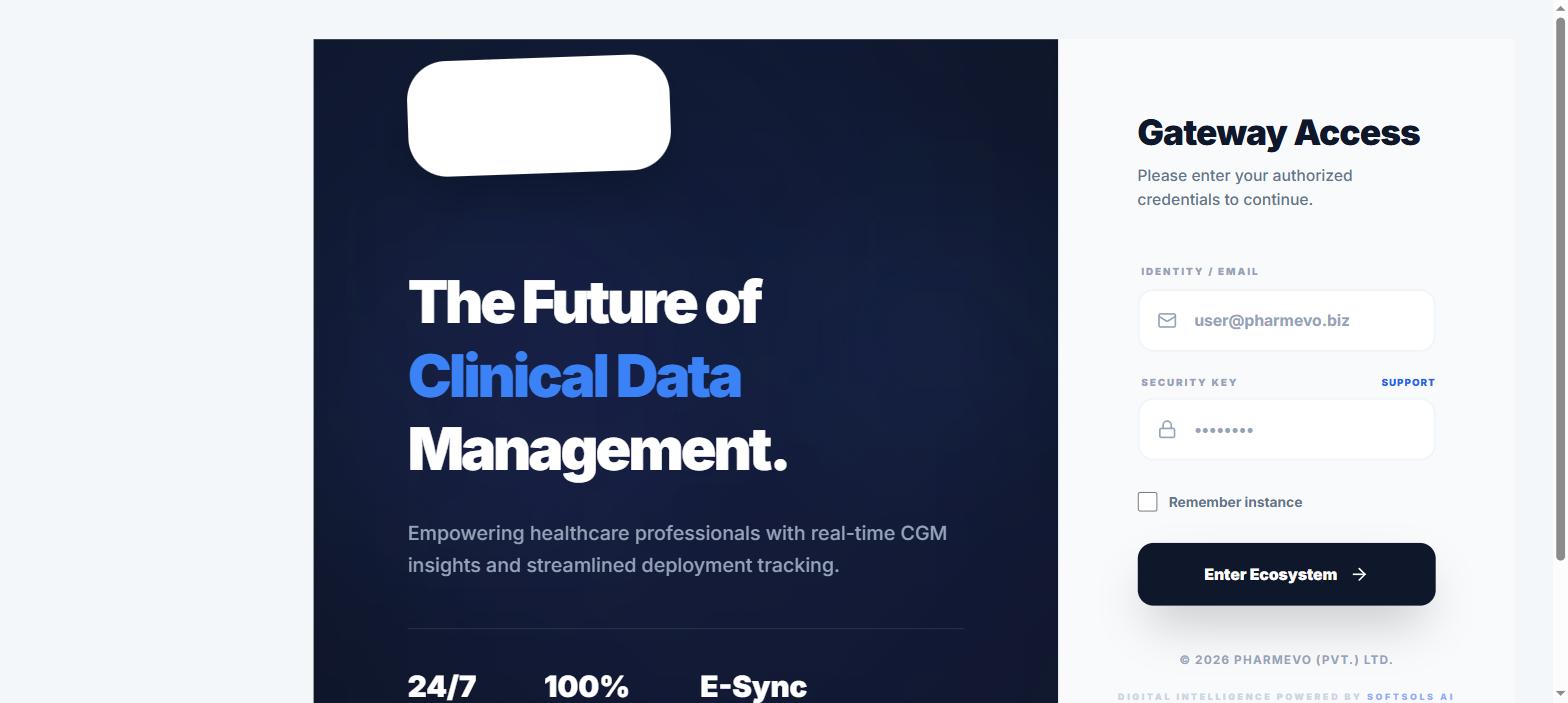
Evo CGM Device Management System
Clinical data and CGM device management system built for PharmEvo diabetes programmes.
View case study →
PJPS Submission System
Online editorial and manuscript submission system for the Pakistan Journal of Pharmaceutical Sciences.
View case study →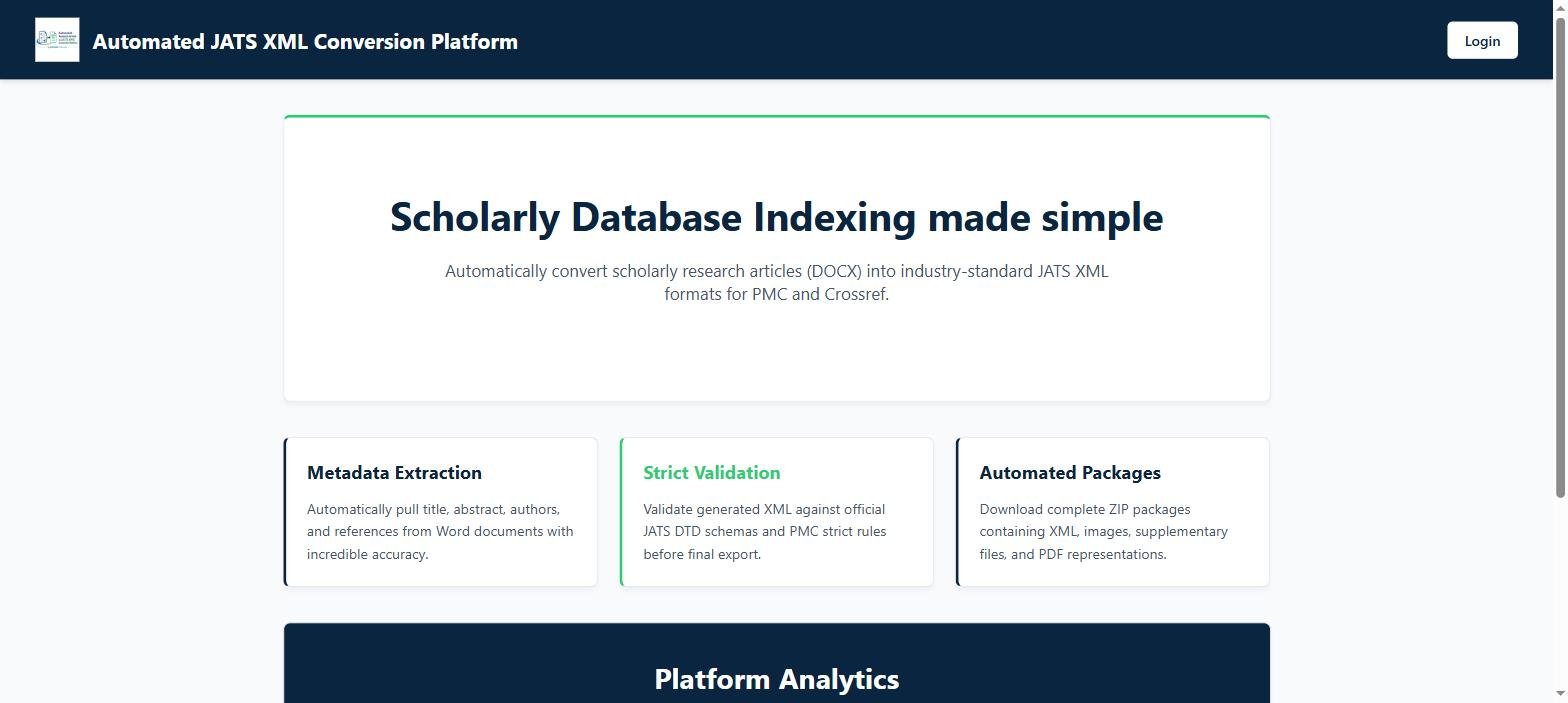
JATXML Portal
Automates conversion of scholarly manuscripts into JATS XML for journal publishing workflows.
View case study →
Dast-e-Yaar Order Management App
Order management system and companion mobile app for CCL Pharma field teams and distributors.
View case study →
RESPIRE 2 Digital Health Hub
Secure Next.js digital health hub for RESPIRE, a global respiratory health research unit at the University of Edinburgh.
View case study →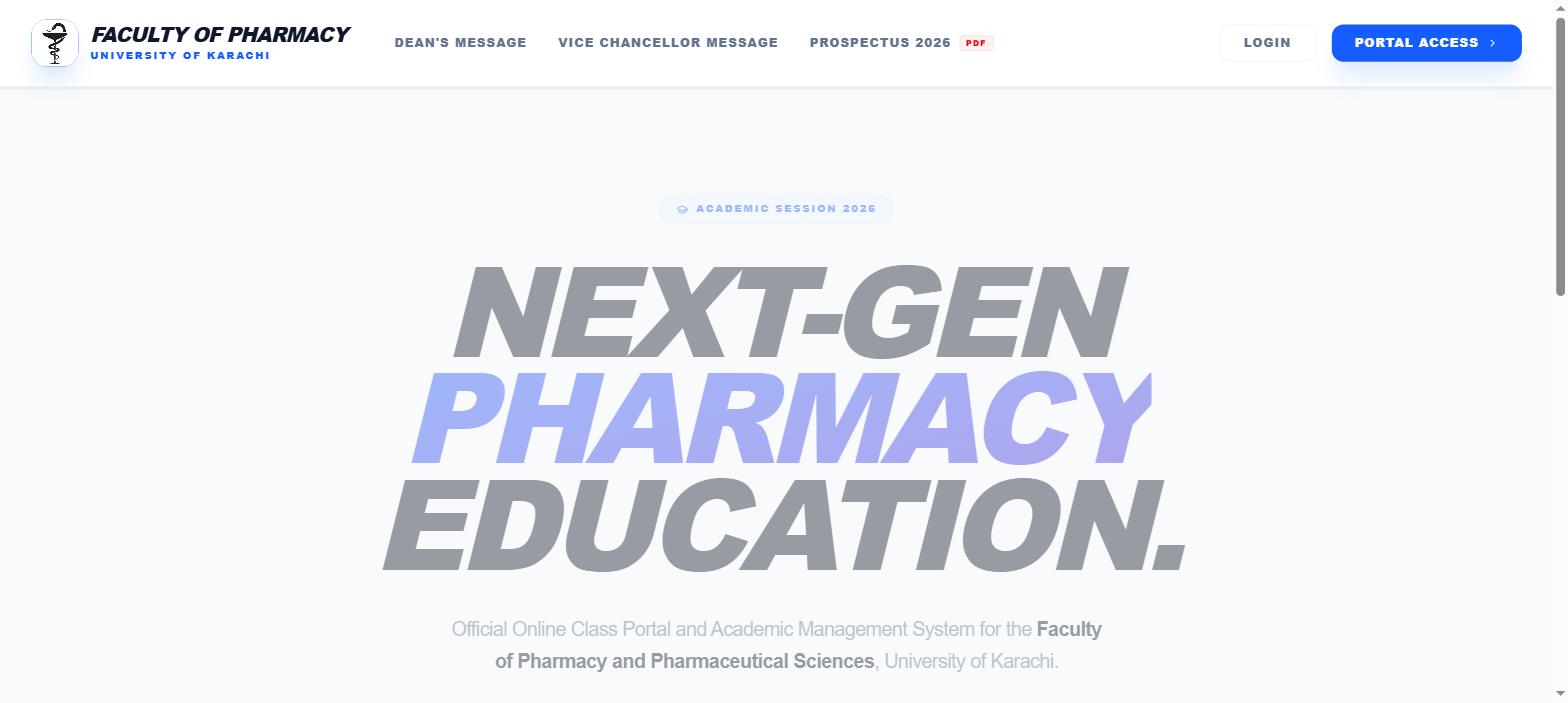
Faculty of Pharmacy UoK Learning Portal
Learning portal for the Faculty of Pharmacy and Pharmaceutical Sciences, University of Karachi.
View case study →Tools and technologies we use
Automation
Performance and API
Management
Flexible ways to work with us
Project-Based Testing
Focused testing for a release, a feature launch or a pre-launch audit.
- Test plan and cases
- Defect report
- Release recommendation
- Fixed scope
Dedicated QA Team
An embedded QA team working inside your sprint cycle.
- Joins your sprints
- Manual and automated coverage
- Regression on every release
- Scale with 2 weeks notice
Automation Framework
A complete automated suite your internal team can maintain.
- Framework selection
- Critical paths first
- CI integration
- Training and handover
Quality beyond running tests
Building a testing culture
The best QA engagements go beyond testing what is handed over. We advocate for testable architecture, flag design decisions that would make testing hard, and help developers understand common failure patterns, which reduces the bugs reaching QA in the first place.
Testing compliance-critical software
HIPAA-covered health apps, financial platforms and GDPR systems carry testing obligations beyond functional QA. We test data handling, access control enforcement and audit-trail integrity, and can produce documentation suitable for compliance audits.
Industries we test for
Healthcare software where a gap can be a patient-safety issue, publishing platforms with high-stakes editorial workflows, and e-commerce where a broken checkout costs revenue every hour it goes unnoticed.
Existing apps welcome
Many clients bring us applications previously tested only by their developers. We start with the critical user paths, then build out automated coverage release by release.
Frequently asked questions
Do you test existing applications or only new development?
Both. We regularly bring dedicated QA to existing applications that were previously tested only by their developers.
Can you add automated testing to our existing codebase?
Yes. We build automated suites for existing applications, starting with the most critical user paths.
How quickly can QA start?
For most projects, test planning can begin within a week of understanding your application.
Which automation framework do you use?
Usually Playwright or Cypress for web and Appium for mobile, but we fit your stack and team skills.
Do you offer ongoing QA as part of our release cycle?
Yes. Many clients use us as an ongoing QA partner integrated into their regular releases.
Stop shipping bugs to your customers
Talk to us about your testing needs and we will show you exactly where your current process has gaps.